
Research

Drug discovery through computational biophysics and binding thermodynamics.

UIBCDF research line image placeholder

Open-Source Software for Computational Analysis and Modeling of Molecular Systems in Drug Design and Discovery

Open-source scientific software is a key enabler of reproducible and integrative research in computational biology. This line focuses on the development of interoperable computational tools that support the study, characterization, and interpretation of molecular systems, bridging structural data, theoretical models, and analytical methods to advance drug discovery workflows.

Show details Hide details

Advances in computational biology increasingly depend on integrated software infrastructures capable of connecting heterogeneous data, theoretical models, and analytical methods. This research line focuses on the development of open-source computational tools that enable the comprehensive study, characterization, and interpretation of molecular systems, supporting drug discovery workflows through interoperable and reproducible methodologies.

The program encompasses the design and continuous development of a modular ecosystem of tools for working with molecular structures, simulations, and derived data. These include frameworks for molecular system representation and visualization, structural and topological analysis of pockets and interfaces, pharmacophore modeling, elastic network approaches for allosteric mechanisms, preparation of complex systems such as membranes, and emerging methods for binding free-energy estimation. In addition, dedicated tools integrate and organize molecular knowledge from distributed online resources, facilitating data-driven research.


More details can be found in the >Code section of this website.


MolSysSuite


Comparative Structural Cartography of Key Regulatory Nodes in Tumor Glycolysis: A Multi-Enzymatic Allosteric and Energetic Perspective preview image

Comparative Structural Cartography of Key Regulatory Nodes in Tumor Glycolysis: A Multi-Enzymatic Allosteric and Energetic Perspective

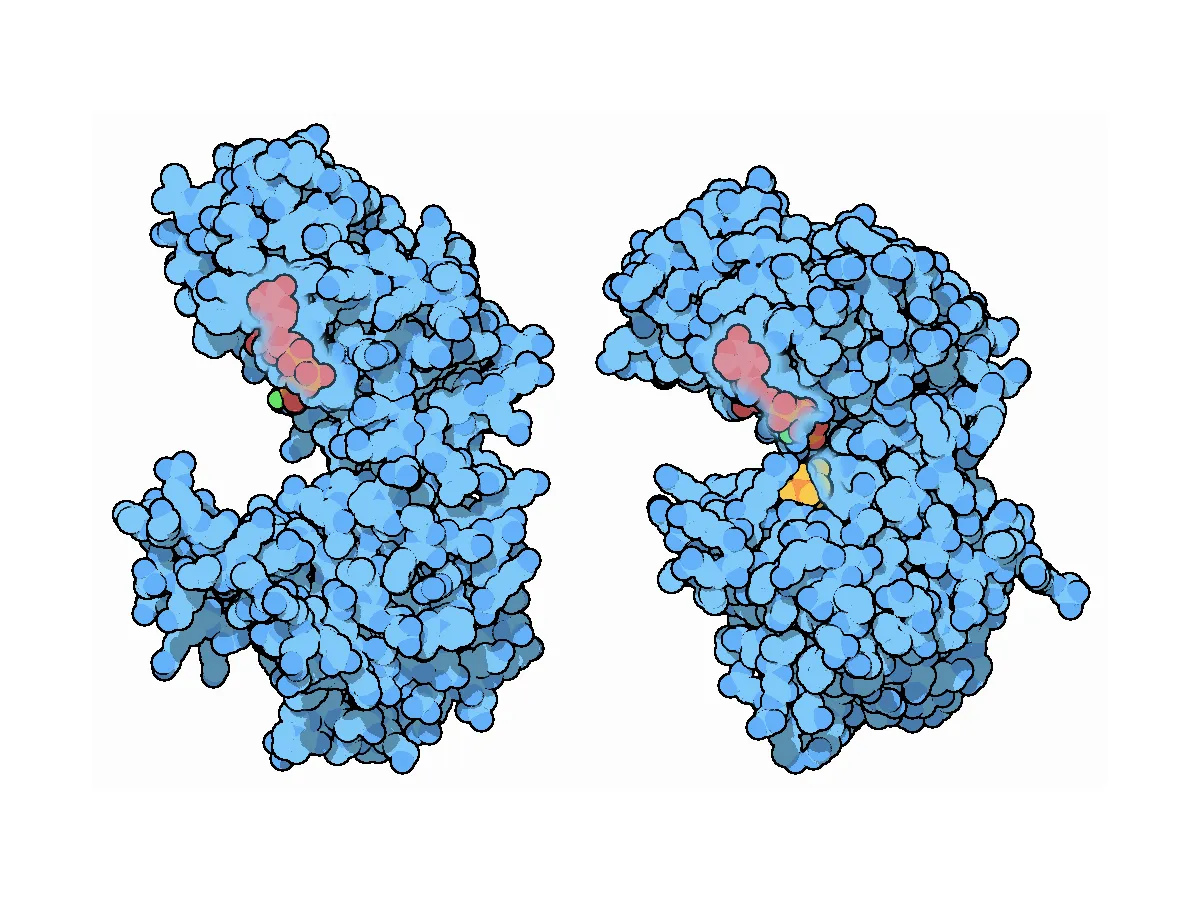
This research line systematically maps the structural, dynamical, and energetic determinants of key regulatory nodes in tumor glycolysis using a multi-enzymatic allosteric framework, integrating multiscale modeling and free-energy landscape analysis to identify mechanistically informed vulnerabilities for rational oncological intervention.

Show details Hide details

This research line aims to systematically map and compare the structural, dynamical, and energetic determinants of critical regulatory nodes within tumor glycolysis, adopting a multi-enzymatic allosteric framework. Through multiscale modeling, advanced molecular simulations, and free-energy landscape analysis, we characterize how conformational ensembles, long-range coupling networks, and energetic redistribution shape metabolic control in cancer cells. By integrating comparative structural analysis across glycolytic isoenzymes and associated pathways, this approach identifies emergent regulatory vulnerabilities and mechanistically informed intervention points, providing a foundation for the rational design of allosteric modulators and network-level metabolic regulators with oncological relevance.

AI-Driven Computational Methods for Functional Peptide Design and Discovery preview image

AI-Driven Computational Methods for Functional Peptide Design and Discovery

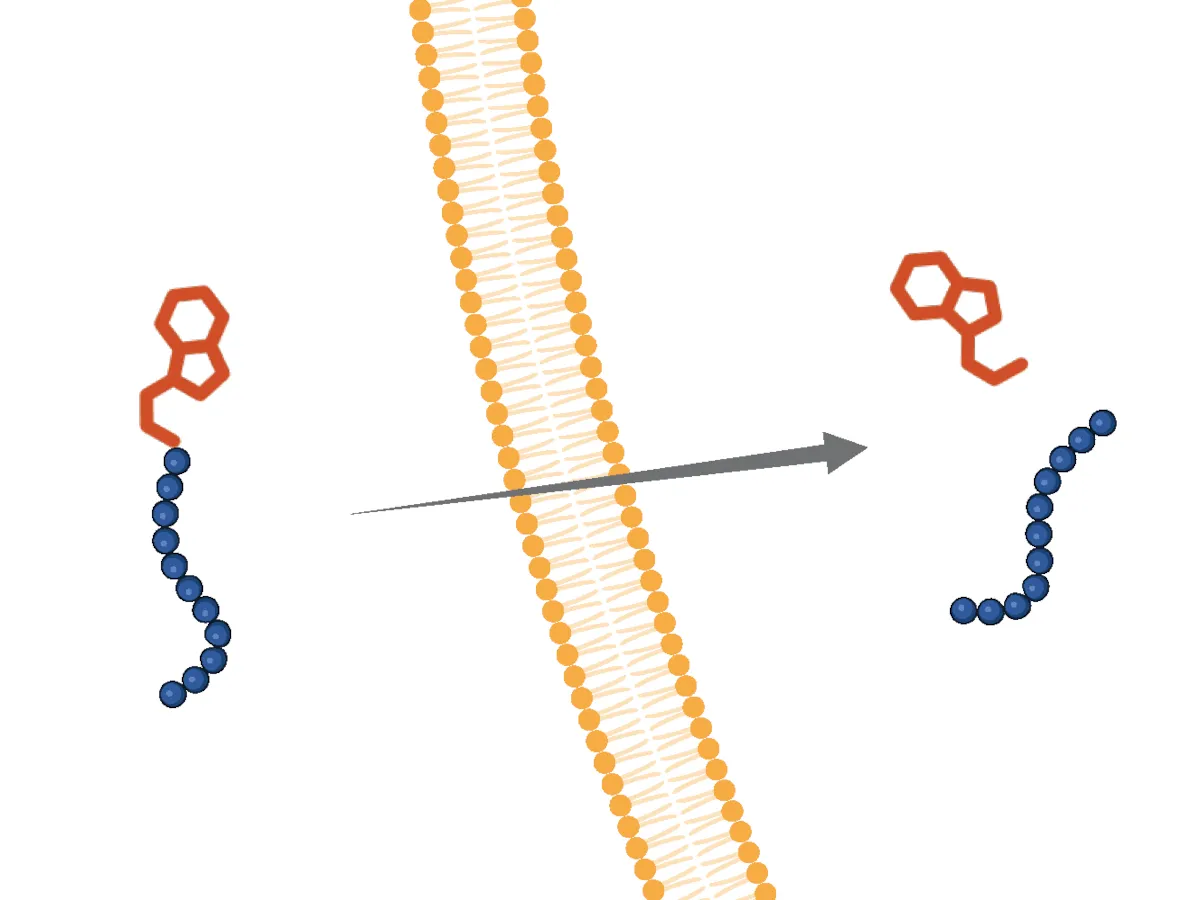
Functional peptides, including cell-penetrating, antimicrobial, anticancer, and metabolic regulatory peptides, represent a versatile class of therapeutic agents with broad biomedical potential. This research area develops integrative computational methods grounded in artificial intelligence, machine learning, and molecular simulation to enable the discovery, design, and optimization of bioactive peptides through systematic exploration of sequence–structure–function relationships.

Show details Hide details

Advancing the discovery of functional peptides requires integrative frameworks capable of connecting biophysical knowledge with data-driven modeling. This research focuses on the development of computational methodologies that combine molecular simulation with machine learning and AI techniques to identify patterns linking sequence, structure, and biological activity across diverse peptide families. By leveraging predictive models that generalize to novel sequences and biological contexts, the approach aims to overcome the limitations of traditional peptide design strategies and expand the accessible functional sequence space.

The work is supported by a computational platform that integrates classification and prediction algorithms with structural analysis and simulation-based evaluation. The framework incorporates peptide-oriented design strategies such as sequence embeddings derived from protein language models, pharmacophore-inspired approaches, generative models including diffusion-based architectures, and computational binder design targeting specific biomolecular systems. Molecular dynamics simulations complement these methods by enabling the assessment of conformational stability, target interactions, and physicochemical properties, forming an iterative discovery cycle that facilitates candidate prioritization and optimization toward more selective and effective peptide therapeutics.

Rational Discovery of Cell-Penetrating Peptides Derived from the Proteome Associated with Accelerated Aging of Zapalote Chico Creole Maize preview image

Rational Discovery of Cell-Penetrating Peptides Derived from the Proteome Associated with Accelerated Aging of Zapalote Chico Creole Maize

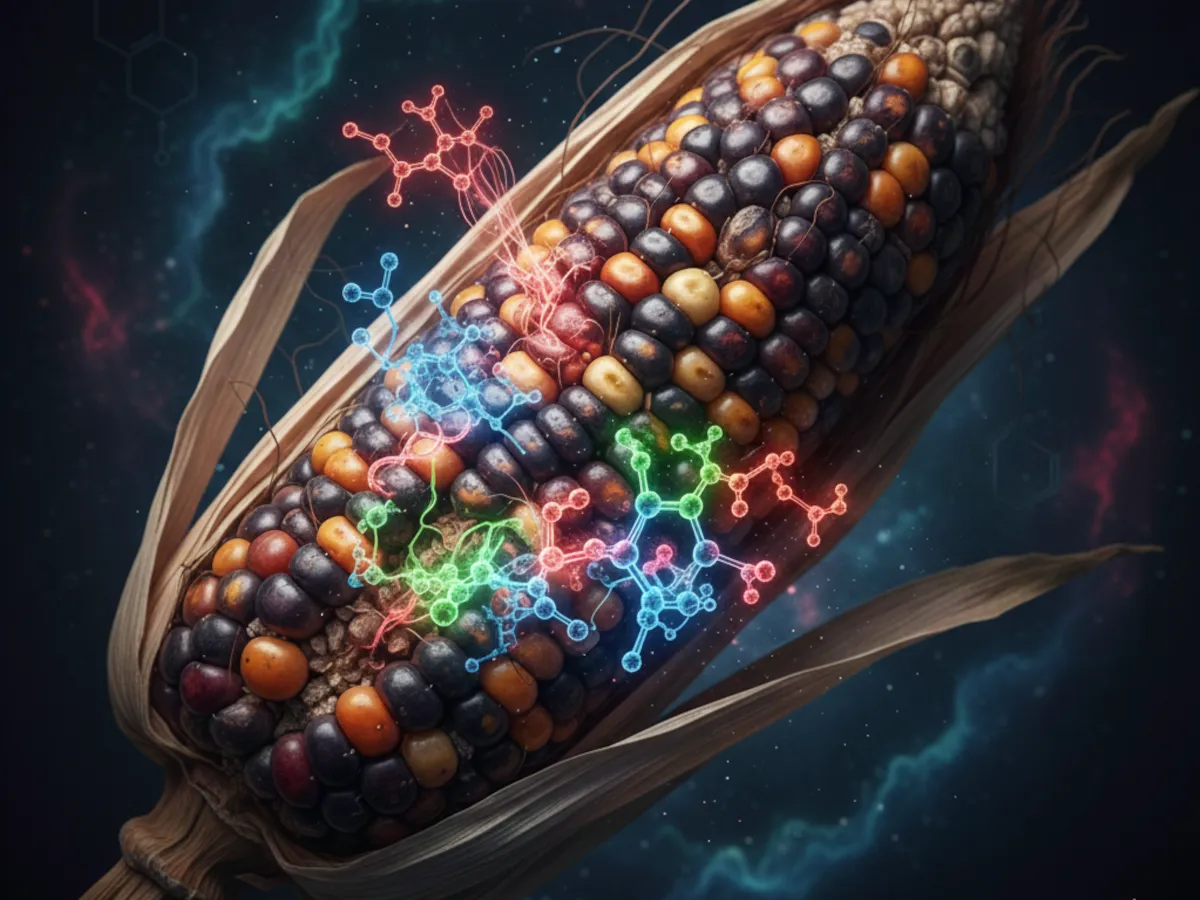
This research line integrates an accelerated aging stress model with biochemical and computational design to rationally identify and optimize maize-derived cell-penetrating peptides exhibiting intrinsic membrane affinity and vectorial or dual functionality, establishing structurally grounded peptide platforms for therapeutic and delivery applications in biotechnology and oncology.

Show details Hide details

Accelerated aging is employed as a controlled stress model to uncover native or cryptic peptide segments exhibiting intrinsic affinity for biological membranes. Within this framework, the present research line is focused on the rational discovery of cell-penetrating peptides (CPPs) derived from the proteome associated with accelerated aging of seeds from the Zapalote Chico creole maize (Zea mays L.), through the integration of complementary biochemical and computational approaches.

This research strategy aims to identify, structurally characterize, and rationally optimize -both in vitro and in silico- functionalized CPPs displaying differentiated activity profiles, including vectorial and dual-function modalities (membrane translocation coupled to intrinsic bioactivity). The overarching objective is to generate peptide entities grounded in robust structural and physicochemical principles, thereby establishing a platform of mechanistically informed candidates suitable for development as delivery vectors or therapeutic scaffolds in biotechnological and oncological contexts.