Publications

Curated papers, preprints, and scientific outputs from UIBCDF.

UIBCDF Google Scholar

2024

First page thumbnail of publication

Exploring the Chemical Features and Biomedical Relevance of Cell-Penetrating Peptides

Liliana M. Moreno-Vargas and Diego Prada-Gracia

Show abstract Hide abstract

Cell-penetrating peptides (CPPs) are a diverse group of peptides, typically composed of 4 to 40 amino acids, known for their unique ability to transport a wide range of substances—such as small molecules, plasmid DNA, small interfering RNA, proteins, viruses, and nanoparticles—across cellular membranes while preserving the integrity of the cargo. CPPs exhibit passive and non-selective behavior, often requiring functionalization or chemical modification to enhance their specificity and efficacy. The precise mechanisms governing the cellular uptake of CPPs remain ambiguous; however, electrostatic interactions between positively charged amino acids and negatively charged glycosaminoglycans on the membrane, particularly heparan sulfate proteoglycans, are considered the initial crucial step for CPP uptake. Clinical trials have highlighted the potential of CPPs in diagnosing and treating various diseases, including cancer, central nervous system disorders, eye disorders, and diabetes. This review provides a comprehensive overview of CPP classifications, potential applications, transduction mechanisms, and the most relevant algorithms to improve the accuracy and reliability of predictions in CPP development.
Illustrative figure

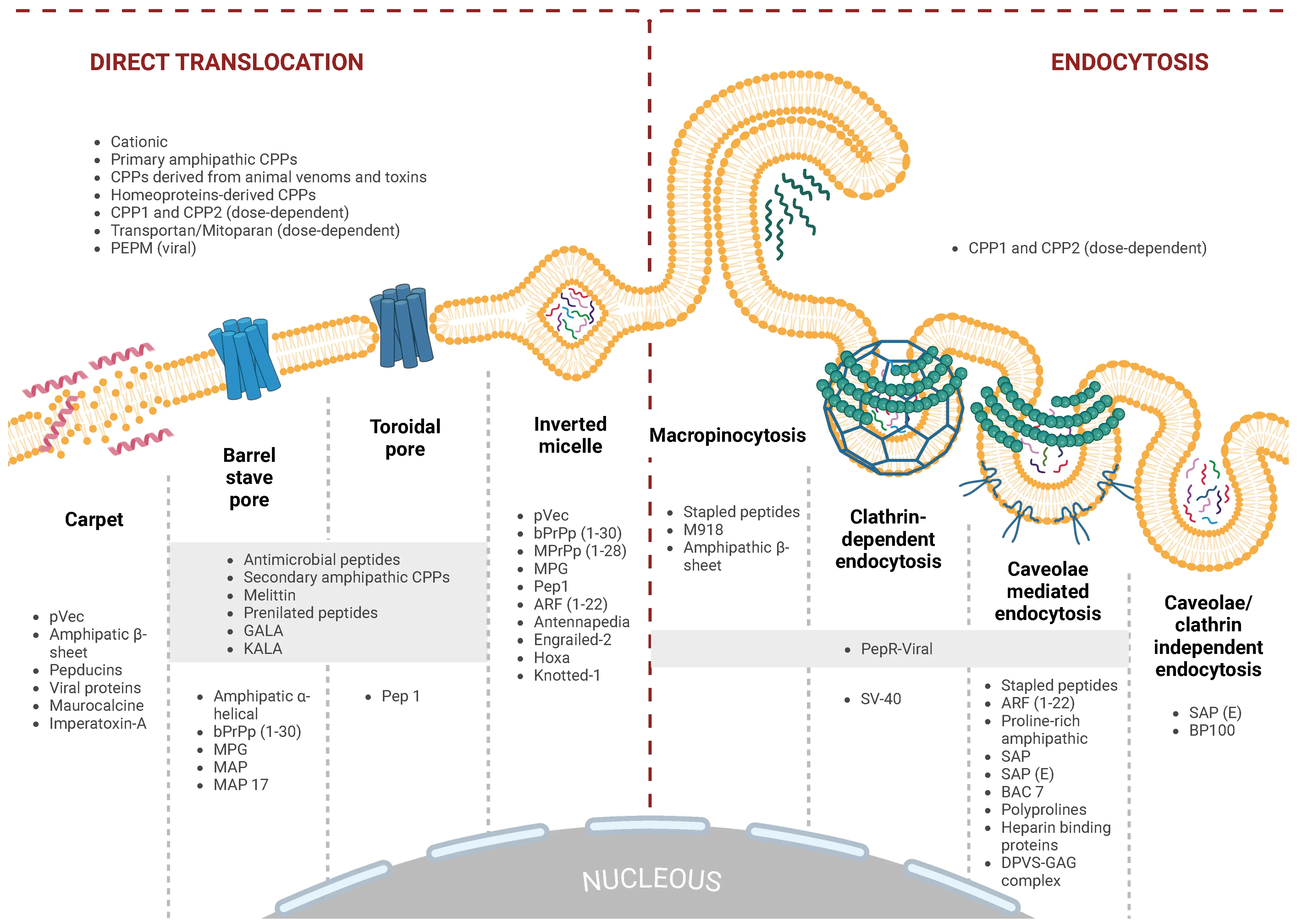
Intracellular entry pathways for CPPs. CPPs utilize two primary mechanisms for cellular entry: energy-dependent endocytosis and energy-independent direct translocation across the lipid bilayer.
First page thumbnail of publication

Cancer-targeting applications of cell-penetrating peptides

Liliana M. Moreno-Vargas and Diego Prada-Gracia

Show abstract Hide abstract

Cell-penetrating peptides (CPPs) offer a unique and efficient mechanism for delivering therapeutic agents directly into cancer cells. These peptides can traverse cellular membranes, overcoming one of the critical barriers in drug delivery systems. In this review, we explore recent advancements in the application of CPPs for cancer treatment, focusing on mechanisms, delivery strategies, and clinical potential. The review highlights the use of CPP-drug conjugates, CPP-based vaccines, and their role in targeting and inhibiting tumor growth.

Illustrative figure

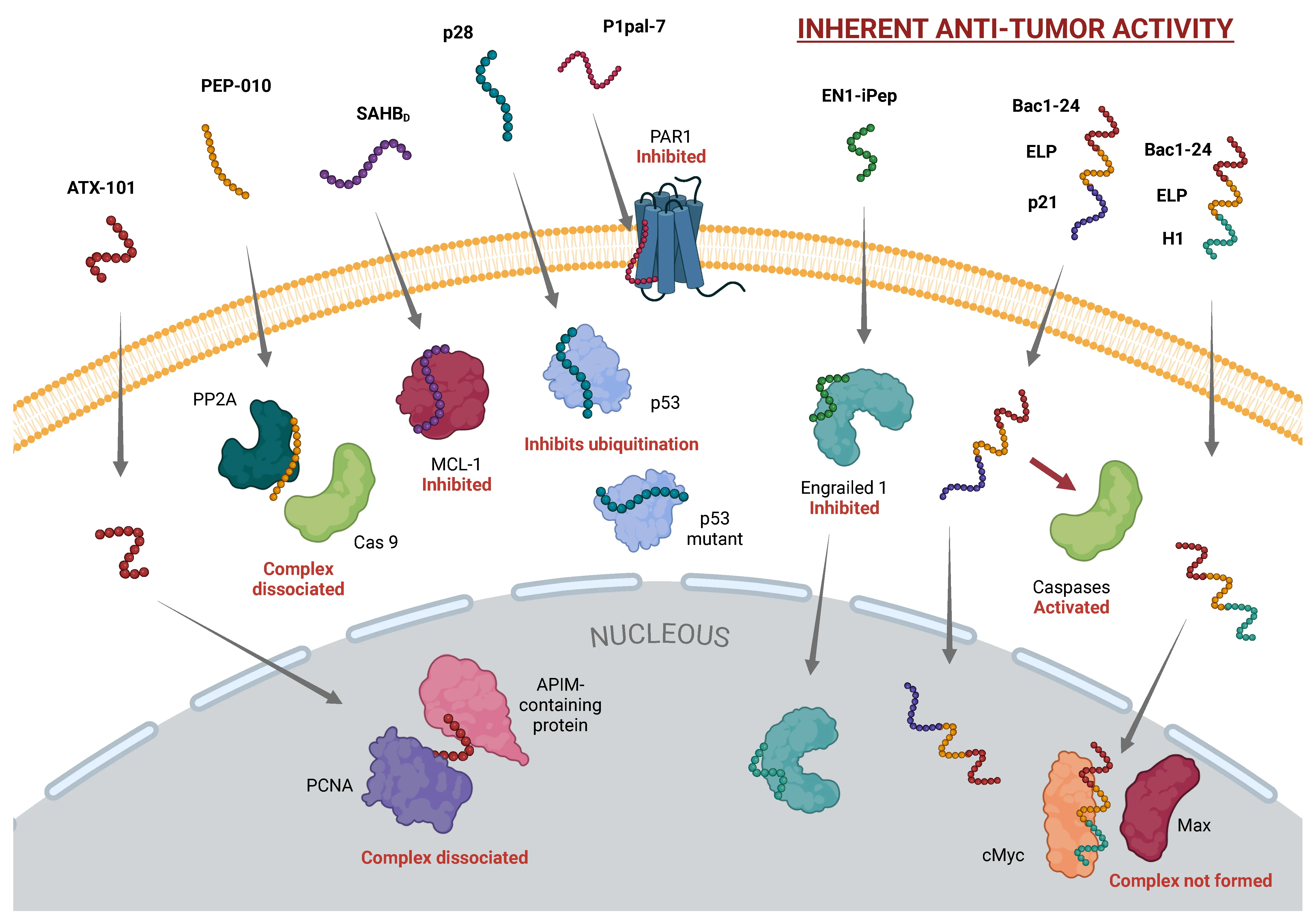
CPPs with Intrinsic Anticancer Activity. This figure presents CPPs that exert therapeutic effects through intrinsic biological functions, independent of cargo.

2023

First page thumbnail of publication

Opitz GBBB syndrome with total anomalous pulmonary venous connection: a new MID1 gene variant

Maryangel Perea‐Cabrera, Javier T. Granados‐Riveron, Begoña Segura‐Stanford, Liliana M. Moreno‐Vargas, Diego Prada‐Gracia, Mari C. Moran‐Espinosa, Julio Erdmenger, Hector Diaz‐Garcia, Rocío Sánchez‐Urbina

Show abstract Hide abstract

Opitz GBBB syndrome (GBBB) is an X-linked disease characterized by midline defects, including congenital heart defects. We present our diagnostic approach to the identification of GBBB in a consanguineous family in which two males siblings were concordant for a total anomalous connection of pulmonary veins and minor facial dysmorphias.

Illustrative figure

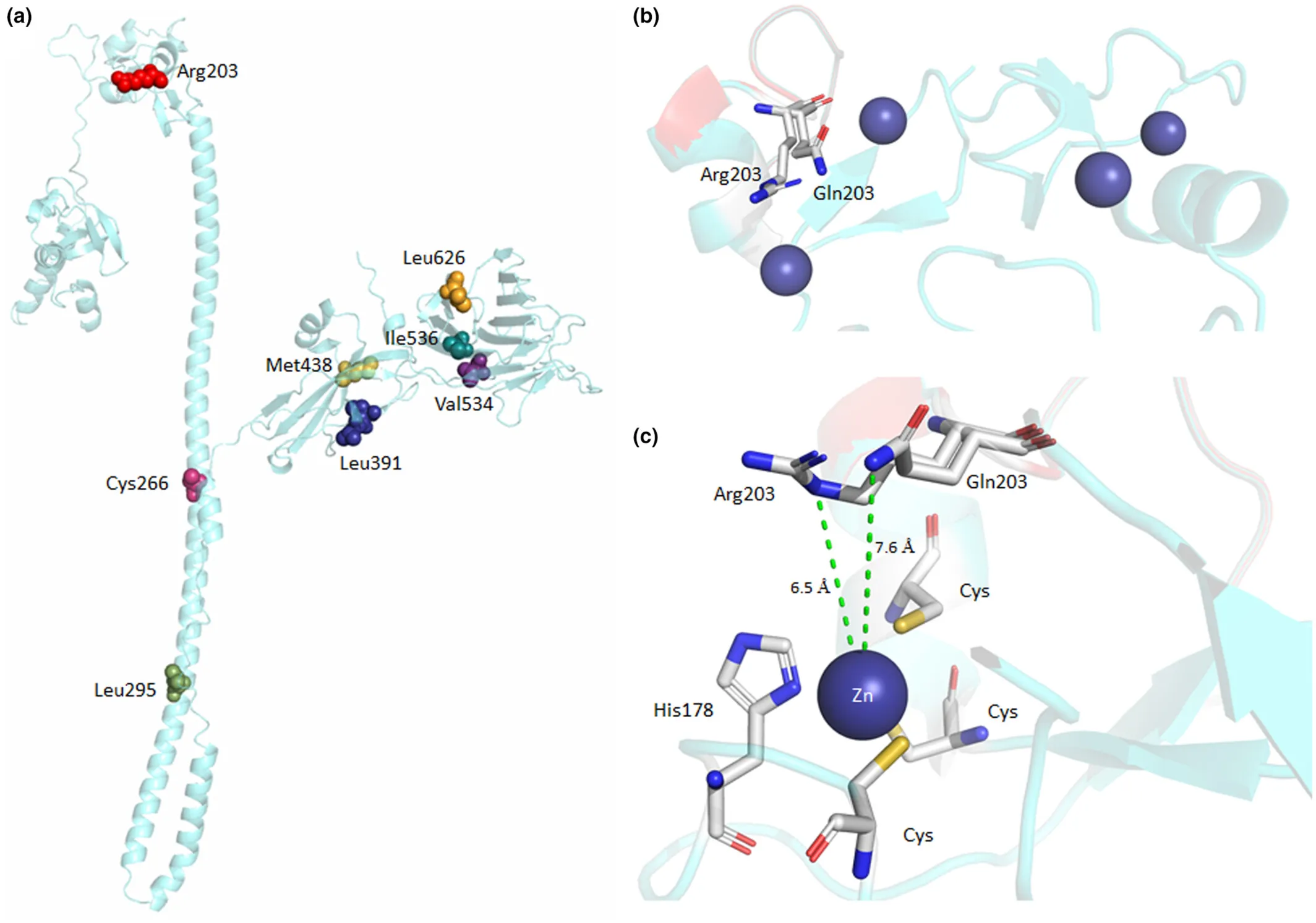
The three-dimensional structure of E3 ubiquitin-protein ligase Midline-1, as determined by molecular modeling and the spatial locations of surface mutations.

2022

First page thumbnail of publication

Exploring the druggability of the binding site of aurovertin, an exogenous allosteric inhibitor of FOF1-ATP synthase

Luis F. Cofas-Vargas, Paola Mendoza-Espinosa, Luis Pablo Avila-Barrientos, Diego Prada-Gracia, Héctor Riveros-Rosas, Enrique García-Hernández

Show abstract Hide abstract

In addition to playing a central role in the mitochondria as the main producer of ATP, FOF1-ATP synthase performs diverse key regulatory functions in the cell membrane. Its malfunction has been linked to a growing number of human diseases, including hypertension, atherosclerosis, cancer, and some neurodegenerative, autoimmune, and aging diseases. Furthermore, inhibition of this enzyme jeopardizes the survival of several bacterial pathogens of public health concern. Therefore, FOF1-ATP synthase has emerged as a novel drug target both to treat human diseases and to combat antibiotic resistance. In this work, we carried out a computational characterization of the binding sites of the fungal antibiotic aurovertin in the bovine F1 subcomplex, which shares a large identity with the human enzyme. Molecular dynamics simulations showed that although the binding sites can be described as preformed, the inhibitor hinders inter-subunit communications and exerts long-range effects on the dynamics of the catalytic site residues. End-point binding free energy calculations revealed hot spot residues for aurovertin recognition. These residues were also relevant to stabilize solvent sites determined from mixed-solvent molecular dynamics, which mimic the interaction between aurovertin and the enzyme, and could be used as pharmacophore constraints in virtual screening campaigns. To explore the possibility of finding species-specific inhibitors targeting the aurovertin binding site, we performed free energy calculations for two bacterial enzymes with experimentally solved 3D structures. Finally, an analysis of bacterial sequences was carried out to determine conservation of the aurovertin binding site. Taken together, our results constitute a first step in paving the way for structure-based development of new allosteric drugs targeting FOF1-ATP synthase sites of exogenous inhibitors.

Illustrative figure

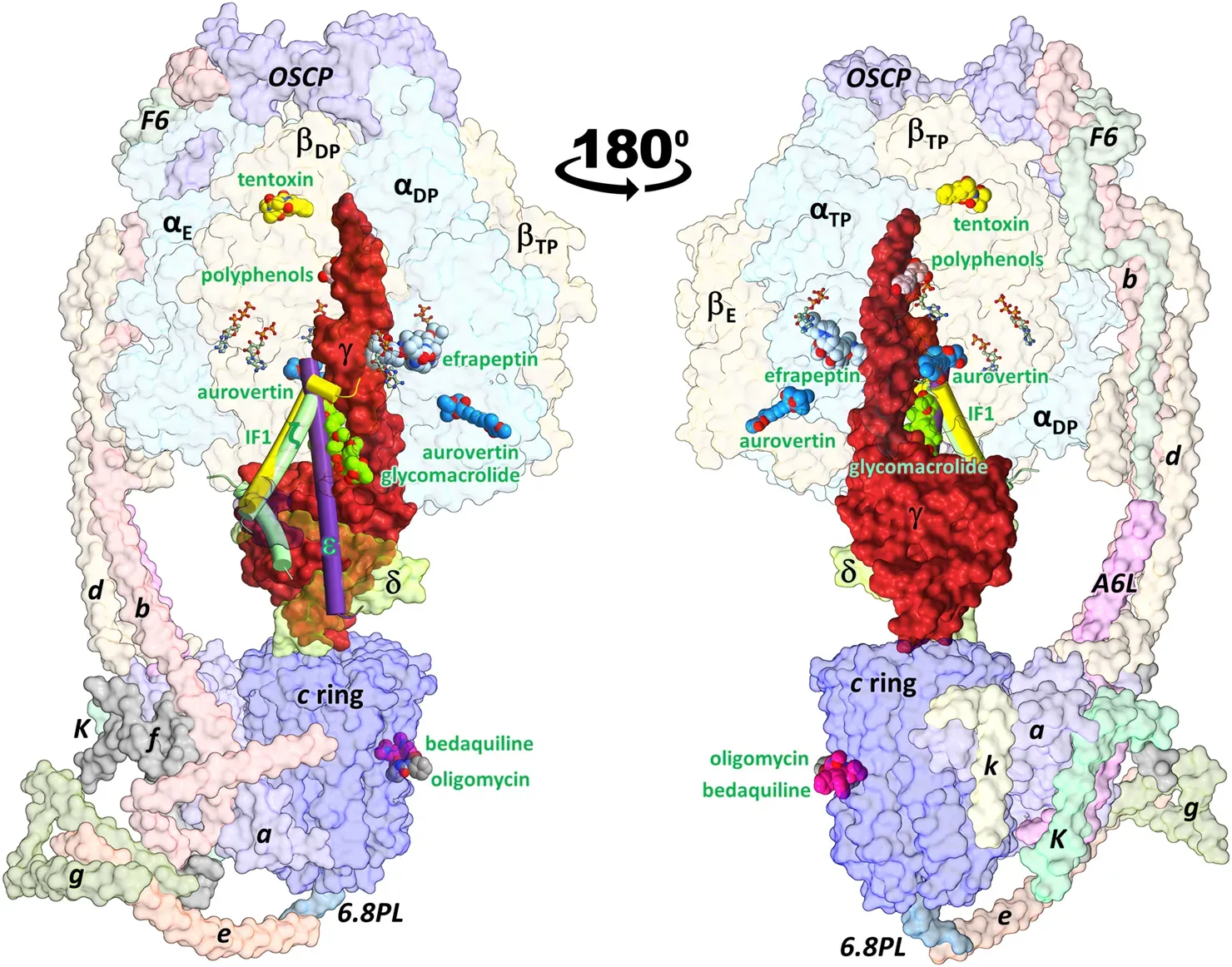
Schematic representation of the ATP synthase architecture and the binding sites of exogenous and endogenous allosteric inhibitors.

2021

First page thumbnail of publication

Expanding the Structural Diversity of DNA Methyltransferase Inhibitors

K. Euridice Juarez-Mercado, Fernando D. Prieto-Martinez, Norberto Sanchez-Cruz, Andrea Pena-Castillo, Diego Prada-Gracia, Jose L. Medina-Franco

Show abstract Hide abstract

Inhibitors of DNA methyltransferases (DNMTs) are attractive compounds for epigenetic drug discovery. They are also chemical tools to understand the biochemistry of epigenetic processes. Herein, we report five distinct inhibitors of DNMT1 characterized in enzymatic inhibition assays that did not show activity with DNMT3B. It was concluded that the dietary component theaflavin is an inhibitor of DNMT1. Two additional novel inhibitors of DNMT1 are the approved drugs glyburide and panobinostat. The DNMT1 enzymatic inhibitory activity of panobinostat, a known pan inhibitor of histone deacetylases, agrees with experimental reports of its ability to reduce DNMT1 activity in liver cancer cell lines. Molecular docking of the active compounds with DNMT1, and re-scoring with the recently developed extended connectivity interaction features approach, led to an excellent agreement between the experimental IC50 values and docking scores.

Illustrative figure

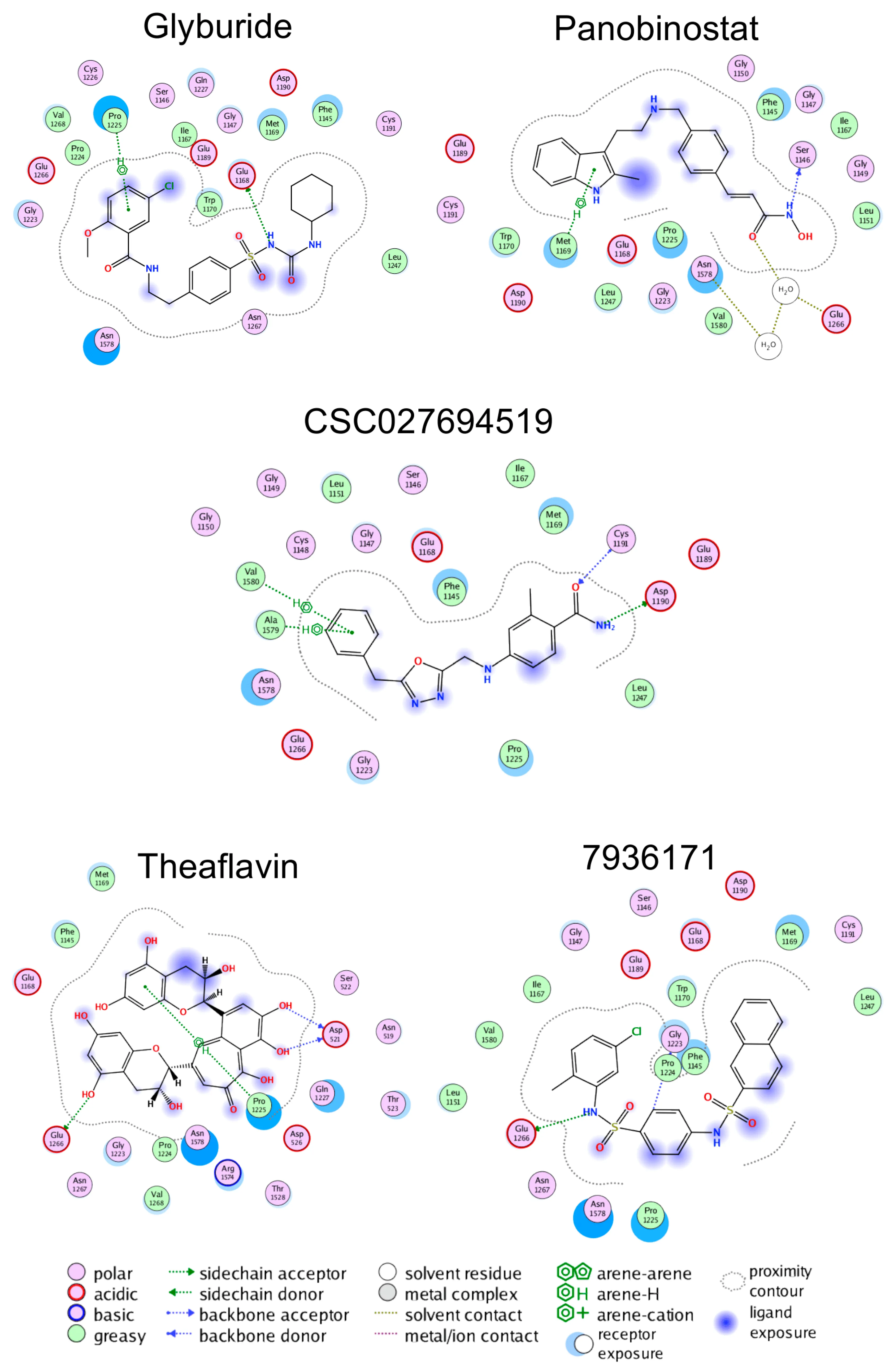
Binding poses predicted with the Molecular with Molecular Operating Environment v.2018 of the five active compounds with the catalytic domain of DNA methyltransferase 1.

2020

First page thumbnail of publication

Molecular dynamics of the histamine H3 membrane receptor reveals different mechanisms of GPCR signal transduction

Leonardo D. Herrera-Zúñiga, Liliana M. Moreno-Vargas, Luck Ballaud, José Correa-Basurto, Diego Prada-Gracia, David Pastré, Patrick A. Curmi, Jean Michel Arrang, Rachid C. Maroun

Show abstract Hide abstract

In this work, we studied the mechanisms of classical activation and inactivation of signal transduction by the histamine H3 receptor, a 7-helix transmembrane bundle G-Protein Coupled Receptor through long-time-scale atomistic molecular dynamics simulations of the receptor embedded in a hydrated double layer of dipalmitoyl phosphatidyl choline, a zwitterionic polysaturated ordered lipid. Three systems were prepared: the apo receptor, representing the constitutively active receptor; and two holo-receptors—the receptor coupled to the antagonist/inverse agonist ciproxifan, representing the inactive state of the receptor, and the receptor coupled to the endogenous agonist histamine and representing the active state of the receptor. An extensive analysis of the simulation showed that the three states of H3R present significant structural and dynamical differences as well as a complex behavior given that the measured properties interact in multiple and interdependent ways. In addition, the simulations described an unexpected escape of histamine from the orthosteric binding site, in agreement with the experimental modest affinities and rapid off-rates of agonists.

Illustrative figure

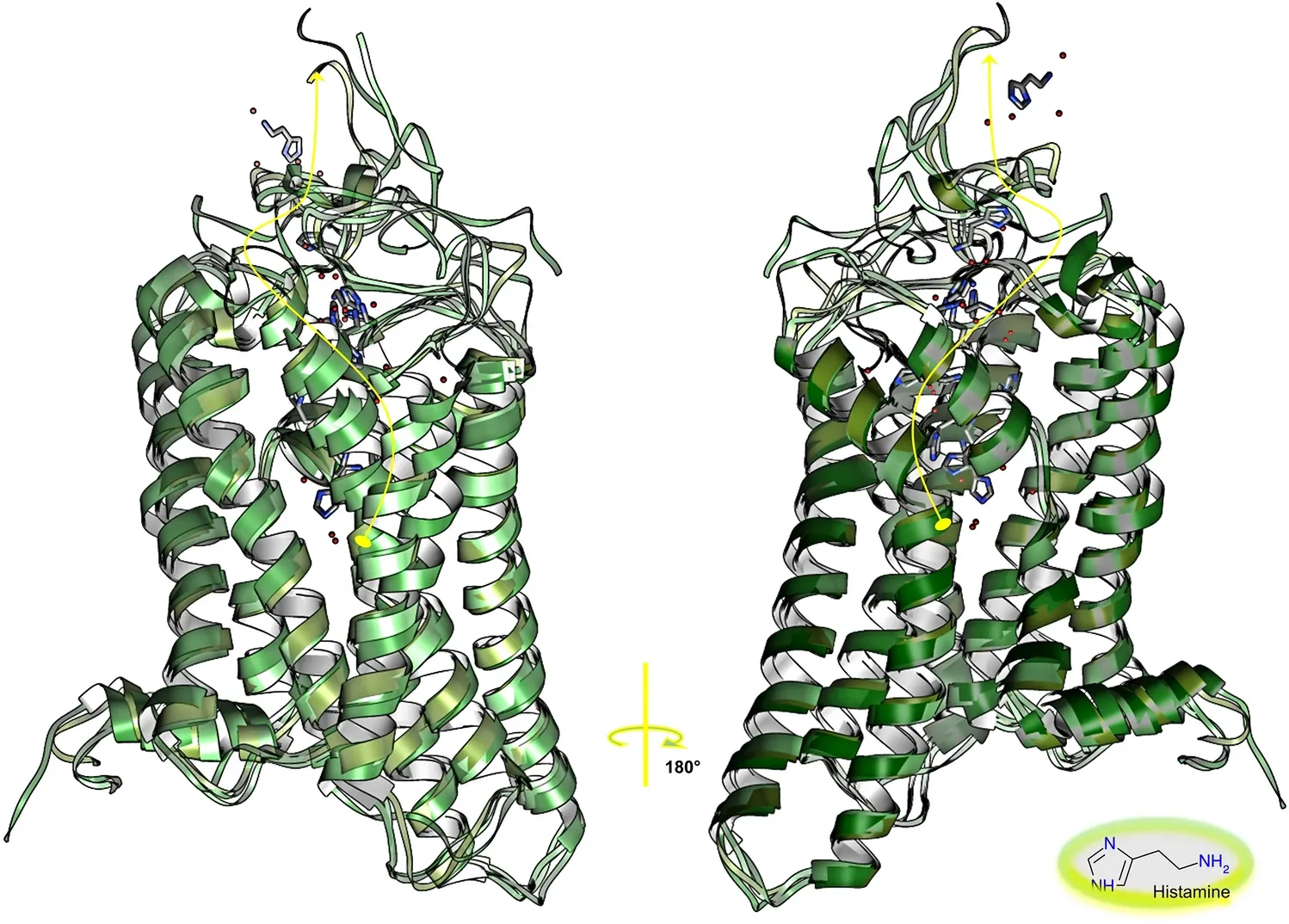
Histamine unbinding pathway. Schematic illustration of the four phases of the spontaneous unbinding and exit pathway of the HSM ligand (curve in yellow), showing the pathway from its lodging in the binding cavity (section 1), with interactions of either the imidazol or the amino group with TM2, TM3, ECL2, TM6 and TM7; to its disposal from it (section 2) with interactions with N-ter, TM3, ECL2, TM6 and TM7; to its small residence time in the vestibular area formed by N-ter, TM3, ECL2 and TM7 (section 3); and to its final escape into the solvent (section 4). Several of the previous interactions are mediated by water.

First page thumbnail of publication

Cell‐permeable Bak BH3 peptide induces chemosensitization of hematologic malignant cells

Omar Ugarte-Alvarez, Paola Munoz-Lopez, Liliana M. Moreno-Vargas, Diego Prada-Gracia, Armando A. Mateos-Chávez, Elayne I. Becerra-Báez, Rosendo Luria-Pérez

Show abstract Hide abstract

Hematologic malignancies such as leukemias and lymphomas are among the leading causes of pediatric cancer death worldwide, and although survival rates have improved with conventional treatments, the development of drug-resistant cancer cells may lead to patient relapse and limited possibilities of a cure. Drug-resistant cancer cells in these hematologic neoplasms are induced by overexpression of the antiapoptotic B-cell lymphoma 2 (Bcl-2) protein families, such as Bcl-XL, Bcl-2, and Mcl-1. We have previously shown that peptides from the BH3 domain of the proapoptotic Bax protein that also belongs to the Bcl-2 family may antagonize the antiapoptotic activity of the Bcl-2 family proteins, restore apoptosis, and induce chemosensitization of tumor cells. Furthermore, cell-permeable Bax BH3 peptides also elicit antitumor activity and extend survival in a murine xenograft model of human B non-Hodgkin’s lymphoma. However, the activity of the BH3 peptides of the proapoptotic Bak protein of the Bcl-2 family against these hematologic malignant cells requires further characterization. In this study, we report the ability of the cell-permeable Bak BH3 peptide to restore apoptosis and induce chemosensitization of acute lymphoblastic leukemia and non-Hodgkin’s lymphoma cell lines, and this event is enhanced with the coadministration of cell-permeable Bax BH3 peptide and represents an attractive approach to improve the patient outcomes with relapsed or refractory hematological malignant cells.

Illustrative figure

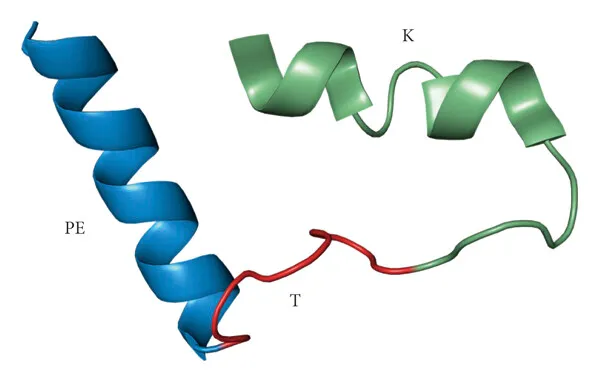
3D structure of cell-permeable Bak BH3 peptide (PETK) and expression of the Bcl-2 family proteins in hematologic malignant cells.

2019

First page thumbnail of publication

Live Attenuated Salmonella enterica Expressing and Releasing Cell-Permeable Bax BH3 Peptide Through the MisL Autotransporter System Elicits Antitumor Activity in a Murine Xenograft Model of Human B Non-hodgkin's Lymphoma

Armando A. Mateos-Chávez, Paola Munoz-Lopez, Elayne I. Becerra-Báez, Luis F. Flores-Martínez, Diego Prada-Gracia, Liliana M. Moreno-Vargas, Guillermina Juliana Baay-Guzmán, Uriel Juarez-Hernandez, Bibiana Chavez-Munguia, Lourdes Cabrera-Munoz, Rosendo Luria-Perez

Show abstract Hide abstract

The survival of patients with non-Hodgkin’s lymphoma (NHL) has substantially improved with current treatments. Nevertheless, the appearance of drug-resistant cancer cells leads to patient relapse. It is therefore necessary to find new antitumor therapies that can completely eradicate transformed cells. Chemotherapy-resistant cancer cells are characterized by the overexpression of members of the anti-apoptotic B-cell lymphoma 2 (Bcl-2) protein family, such as Bcl-XL, Bcl-2, and Mcl-1. We have recently shown that peptides derived from the BH3 domain of the pro-apoptotic Bax protein may antagonize the anti-apoptotic activity of the Bcl-2 family proteins, restore apoptosis, and induce chemosensitization of tumor cells. In this study, we investigated the feasibility of releasing this peptide into the tumor microenvironment using live attenuated Salmonella enterica, which has proven to be an ally in cancer therapy due to its high affinity for tumor tissue, its ability to activate the innate and adaptive antitumor immune responses, and its potential use as a delivery system of heterologous molecules. Thus, we expressed and released the cell-permeable Bax BH3 peptide from the surface of Salmonella enterica serovar Typhimurium SL3261 through the MisL autotransporter system. We demonstrated that this recombinant bacterium significantly decreased the viability and increased the apoptosis of Ramos cells, a human B NHL cell line. Indeed, the intravenous administration of this recombinant Salmonella enterica elicited antitumor activity and extended survival in a xenograft NHL murine model. This antitumor activity was mediated by apoptosis and an inflammatory response. Our approach may represent an eventual alternative to treat relapsing or refractory NHL.

2018

First page thumbnail of publication

Cloning and biochemical characterization of three glucose‑6‑phosphate dehydrogenase mutants presents in the Mexican population

Yadira Y. Cortés-Morales, America Vanoye-Carlo, Rosa A. Castillo-Rodríguez, Hugo Serrano-Posada, Abigail González-Valdez, Daniel Ortega-Cuellar, Beatriz Hernández-Ochoa, Liliana M. Moreno-Vargas, Diego Prada-Gracia, Edgar Sierra-Palacios, Verónica Pérez de la Cruz, Jaime Marcial-Quino, Saúl Gómez-Manzo

Show abstract Hide abstract

The deficiency of glucose‑6‑phosphate dehydrogenase (G6PD) is one of the most common inborn errors of metabolism worldwide. This congenital disorder generally results from mutations that are spread throughout the entire gene of G6PD. Three single-point mutations for G6PD have been reported in the Mexican population and named Veracruz (Arg365His), G6PD Seattle (Asp282His), and G6PD Mexico DF (Thr65Ala), whose biochemical characterization have not yet been studied. For this reason, in this work we analyzed the putative role of the three mutations to uncover the functional consequences on G6PD activity. To this end, was developed a method to clone, overexpress, and purify recombinant human G6PD. The results obtained from all variants showed a loss of catalysis by 80 to 97% and had a decrease in affinity for both physiological substrates with respect to the wild type (WT) G6PD. Our results also showed that the three mutations affected three-dimensional structure and protein stability, suggesting an unstable structure with low conformational stability that affected its G6PD functionality. Finally, based on the biochemical characterization of the unclassified G6PD Mexico DF, we suggest that this variant could be grouped as a Class I variant, because biochemical data are similar with other Class I G6PDs.

First page thumbnail of publication

Biochemical Characterization and Structural Modeling of Fused Glucose-6-Phosphate Dehydrogenase-Phosphogluconolactonase from Giardia lamblia

Laura Morales-Luna, Hugo Serrano-Posada, Abigail González-Valdez, Daniel Ortega-Cuellar, America Vanoye-Carlo, Beatriz Hernández-Ochoa, Edgar Sierra-Palacios, Yadira Rufino-González, Rosa A. Castillo-Rodríguez, Veronica Perez de la Cruz, Liliana M. Moreno-Vargas, Diego Prada-Gracia, Jaime Marcial-Quino, Saúl Gómez-Manzo

Show abstract Hide abstract

Glucose-6-phosphate dehydrogenase (G6PD) is the first enzyme in the pentose phosphate pathway and is highly relevant in the metabolism of Giardia lamblia. Previous reports suggested that the G6PD gene is fused with the 6-phosphogluconolactonase (6PGL) gene (6pgl). Therefore, in this work, we decided to characterize the fused G6PD-6PGL protein in Giardia lamblia. First, the gene of g6pd fused with the 6pgl gene (6gpd::6pgl) was isolated from trophozoites of Giardia lamblia and the corresponding G6PD::6PGL protein was overexpressed and purified in Escherichia coli. Then, we characterized the native oligomeric state of the G6PD::6PGL protein in solution and we found a catalytic dimer with an optimum pH of 8.75. Furthermore, we determined the steady-state kinetic parameters for the G6PD domain and measured the thermal stability of the protein in both the presence and absence of guanidine hydrochloride (Gdn-HCl) and observed that the G6PD::6PGL protein showed alterations in the stability, secondary structure, and tertiary structure in the presence of Gdn-HCl. Finally, computer modeling studies revealed unique structural and functional features, which clearly established the differences between G6PD::6PGL protein from G. lamblia and the human G6PD enzyme, proving that the model can be used for the design of new drugs with antigiardiasic activity. These results broaden the perspective for future studies of the function of the protein and its effect on the metabolism of this parasite as a potential pharmacological target.

2017

First page thumbnail of publication

Ligand recognition properties of the vasopressin V2 receptor studied under QSAR and molecular modeling strategies

Marlet Martínez‐Archundia, Brenda Colín‐Astudillo, Liliana. M Moreno‐Vargas, Guillermo Ramírez‐Galicia, Ramón Garduño‐Juárez, Omar Deeb, Martha C. Contreras‐Romo, Andres Quintanar‐Stephano, Edgar Abarca‐Rojano, José Correa‐Basurto

Show abstract Hide abstract

The design of new drugs that target vasopressin 2 receptor (V2R) is of vital importance to develop new therapeutic alternatives to treat diseases such as heart failure, polycystic kidney disease. To get structural insights related to V2R-ligand recognition, we have used a combined approach of docking, molecular dynamics simulations (MD) and quantitative structure–activity relationship (QSAR) to elucidate the detailed interaction of the V2R with 119 of its antagonists. The three-dimensional model of V2R was built by threading methods refining its structure through MD simulations upon which the 119 ligands were subjected to docking studies. The theoretical results show that binding recognition of these ligands on V2R is diverse, but the main pharmacophore (electronic and π–π interactions) is maintained; thus, this information was validated under QSAR results. QSAR studies were performed using MLR analysis followed by ANN analysis to increase the model quality. The final equation was developed by choosing the optimal combination of descriptors after removing the outliers. The applicability domains of the constructed QSAR models were defined using the leverage and standardization approaches. The results suggest that the proposed QSAR models can reliably predict the reproductive toxicity potential of diverse chemicals, and they can be useful tools for screening new chemicals for safety assessment.

2016

First page thumbnail of publication

New perspectives on the computational characterization of the kinetics of binding-unbinding in drug design: implications for novel therapies

Liliana M. Moreno-Vargas and Diego Prada-Gracia

Show abstract Hide abstract

The efficiency and the propensity of a drug to be bound to its target protein have been inseparable concepts for decades now. The correlation between the pharmacological activity and the binding affinity has been the first rule to design and optimize a new drug rationally. However, this argument does not prove to be infallible when the results of in vivo assays have to be confronted. Only recently, we understand that other magnitudes as the kinetic rates of binding and unbinding, or the mean residence time of the complex drug-protein, are equally relevant to draw a more accurate model of the mechanism of action of a drug. It is in this scenario where new computational techniques to simulate the all-atom dynamics of the biomolecular system find its valuable place on the challenge of designing new molecules for more effective and less toxic therapies.

First page thumbnail of publication

Application of computational methods for anticancer drug discovery, design, and optimization

Diego Prada-Gracia, Sara Huerta-Yépez, Liliana M. Moreno-Vargas

Show abstract Hide abstract

Developing a novel drug is a complex, risky, expensive and time-consuming venture. It is estimated that the conventional drug discovery process ending with a new medicine ready for the market can take up to 15 years and more than a billion USD. Fortunately, this scenario has recently changed with the arrival of new approaches. Many novel technologies and methodologies have been developed to increase the efficiency of the drug discovery process, and computational methodologies have become a crucial component of many drug discovery programs. From hit identification to lead optimization, techniques such as ligand- or structure-based virtual screening are widely used in many discovery efforts. It is the case for designing potential anticancer drugs and drug candidates, where these computational approaches have had a major impact over the years and have provided fruitful insights into the field of cancer. In this paper, we review the concept of rational design presenting some of the most representative examples of molecules identified by means of it. Key principles are illustrated through case studies including specifically successful achievements in the field of anticancer drug design to demonstrate that research advances, with the aid of in silico drug design, have the potential to create novel anticancer drugs.

Illustrative figure

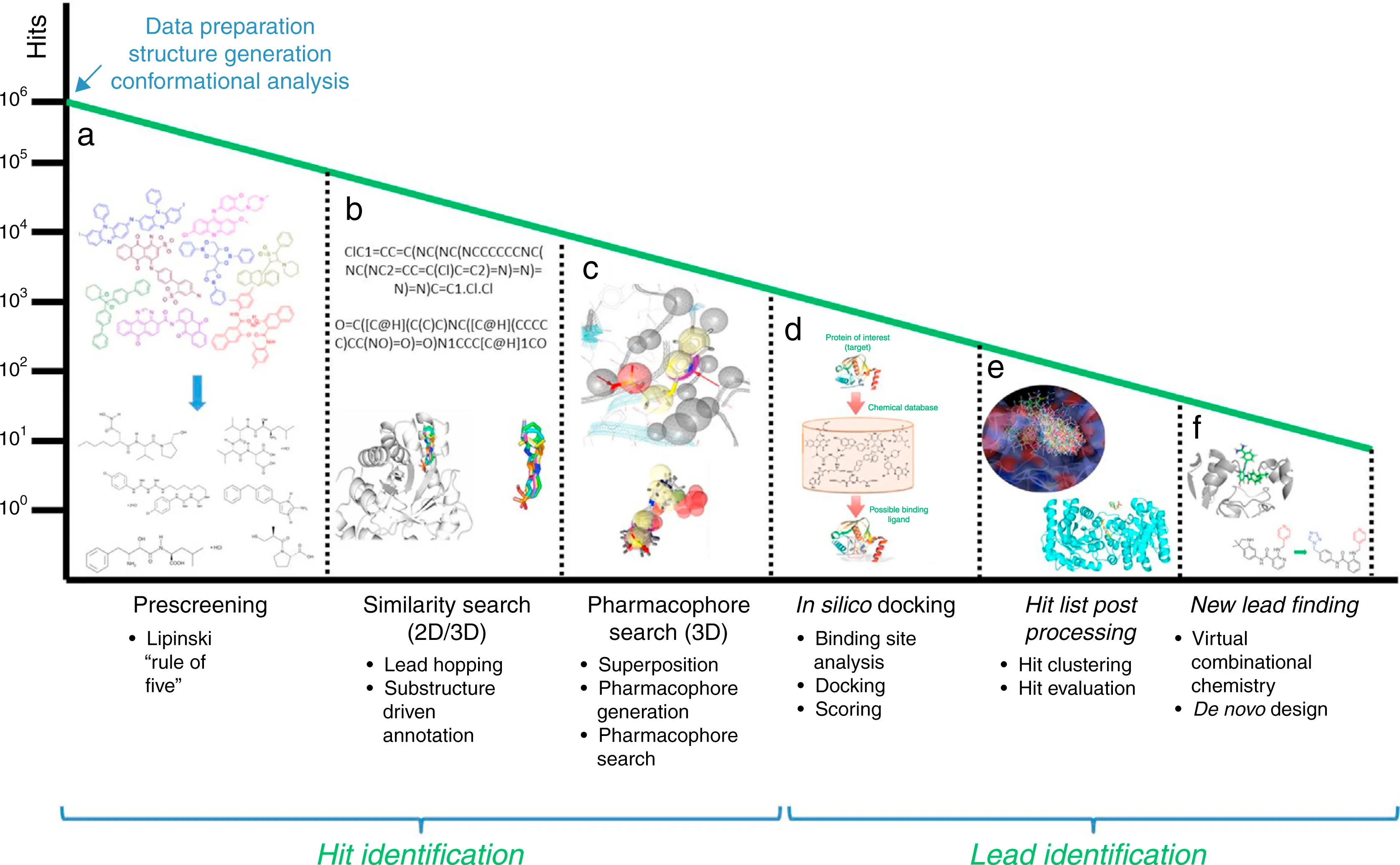
Workflow for hit identification: from data preparation to finding new leads.